
The Purple Archangel
- Mar 29, 2022
- 2 min read
Spring is in the air and one of the first sprigs of growth is the purple Archangel. I’m still unsure why this seems to be the nickname in old herbal folk remedy books scrawled beside the Latin name, Lamium purpureum, or as we commonly call it today - Purple Dead nettle. So more to come on the reason behind the folk name.
Growing, Harvesting, and Preservation notes from my journal to yours. But before I can just type up my journaled notes to share, with any herbal or essential oil recipe or product post, I must include a few disclaimers for legal purposes: These statements have not been evaluated by the Food and Drug Administration. This product is not intended to diagnose, treat, cure, or prevent disease. Also, The statements about herbs and/or essential oils have not been evaluated by the FDA. Products and methods recommended are not intended to diagnose, treat, cure or prevent any disease. (Read the full disclosure on the “About” page.)
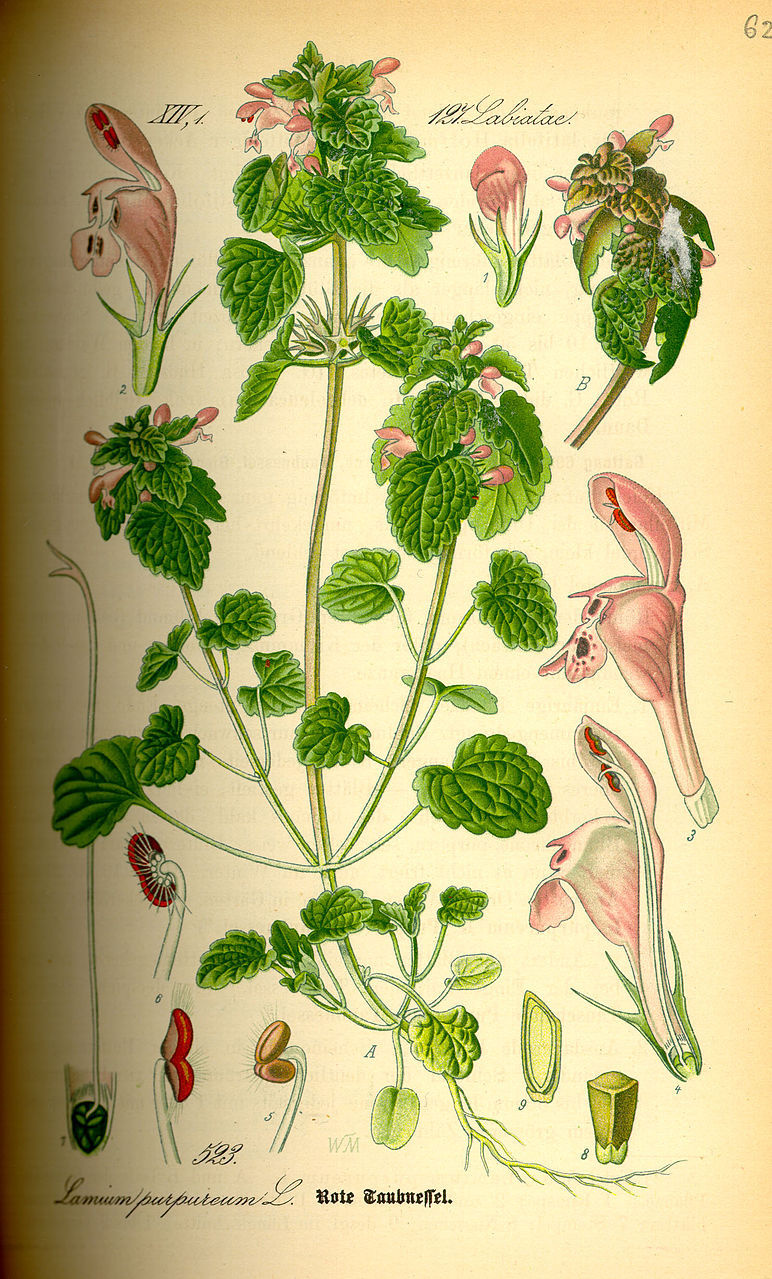
Purple Dead-nettle is a favorite among bumblebees. This European native, annual flowering herb can be found in meadows, along the sides of the road, and in many gardens. A wonderful addition to a pollinator bed this herbaceous, square steamed plant has tiny hairs on the green leaves. No need to worry though because as the name says, these beauties are “dead” and won’t sting, unlike the well known “stinging nettle”.
They tend to grow in places with full to partial afternoon sun. In rocky soil, they spread similar to that of a mint, in a vine like pattern across the ground in a moist soil. Typically in backyards and in meadows, purple dead nettle is just another dainty flower among the budding dandelions.
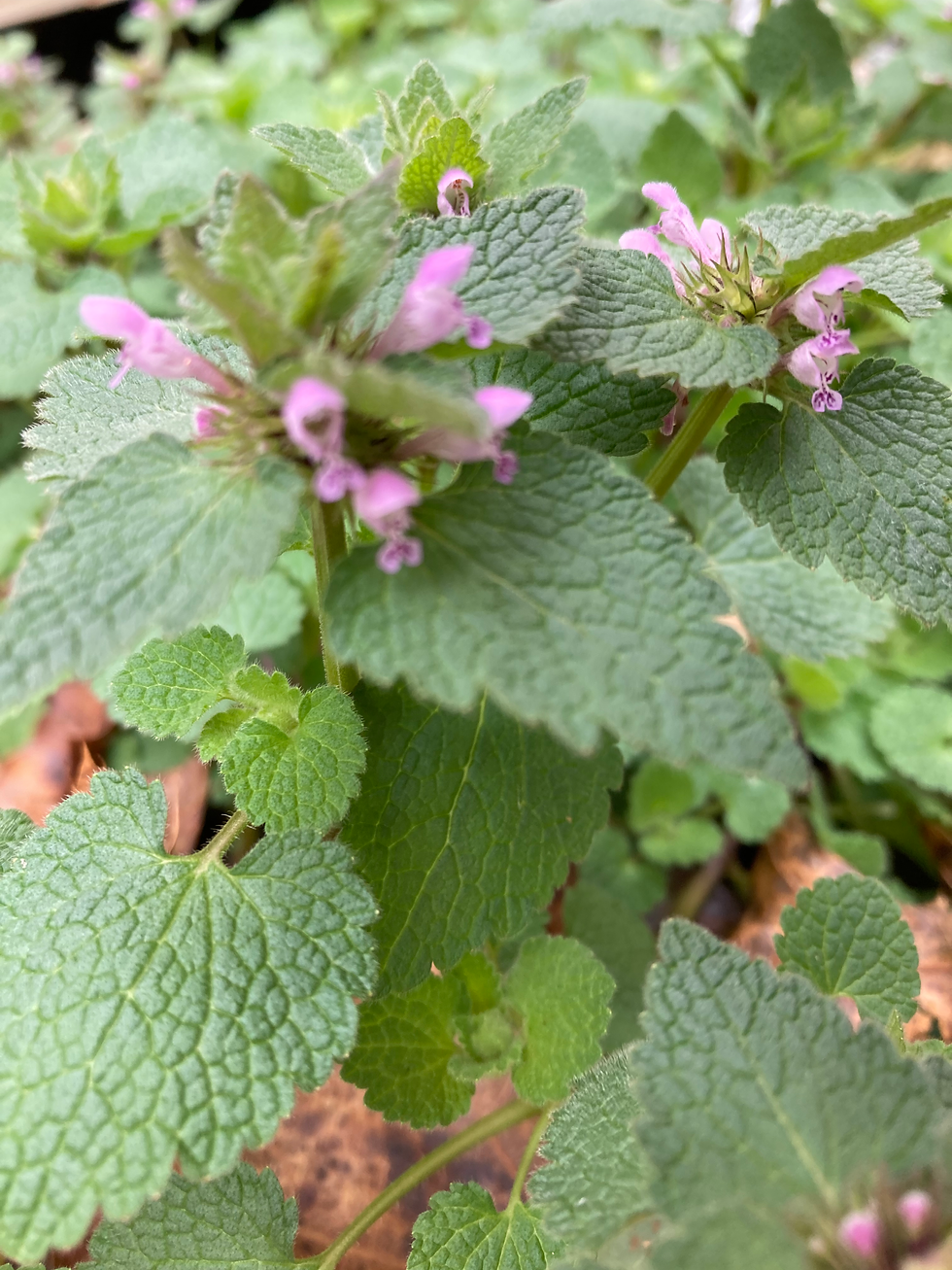
The young plants top leaves and flowers are a great spring addition to pastas, salads, and stir fry’s. This early spring edible is one of the first indications that Spring is on the way. In areas with mild winter climates, purple dead nettle can still thrive through the cold season. Purple dead nettle is high in vitamins, fiber, and iron. Remembering the importance of iron in matters of hemoglobin then it’s a good little nugget of info to add to the journal of medicinal herbs. Hemoglobin is the protein used by the body in delivering oxygen to the blood.
Folk remedies for purple dead-nettle include uses for itchy, irritated skin as well as used in salves for other purposes.

One benefit of purple dead nettle is that it acts like an anti-inflammatory. Because purple dead nettle is an antioxidant then I’ve read in articles by clinical herbalists that some use purple dead nettle among other herbs in a brew tea as part of their fight against an infection. Purple dead nettle is also described to be anti-fungal, a diuretic (helps to expel excess water from the body - like a detox), a diaphoretic(think fever and chills), and an astringent (think gut lining health).
Preservation methods can include but are not limited to: infused oils; dried for teas; used fresh and made into salves, tinctures, and honey syrups.


Comments