
A Backyard Apothecary
- Apr 22, 2022
- 5 min read
Dandelion, Purple Dead-Nettle, Mullein, Plantain, Red Clovers, and Wild Violets are all common in backyards across the Appalachian Mountains and while some may call it a weed, I call it an herb. So take a gander to see if perhaps you could use these beauties, or better yet, just leave them be to feed the bees!

Below are my rambles on some of the backyard herbs you can add to your home apothecary. Also noted is my favorite recipe and creation with each herb along with their folk name. Just a little note that a full disclosure can be read here.
Dandelions
🛍 Infused Oil
🥘 Spring Salad 🫖 Tea
Scientific Name: Taraxacum officinale
Common Name: Dandelion
Folk Name: Lion’s Tooth
Dandelions belong to the same family of plants as Sunflowers and asters.
A single dandelion seed carried by the wind has been found to travel a distance of a hundred miles before finally landing in its resting place to take root and prosper. For this reason, many call Dandelions a “weed”, but that’s just one person’s opinion. There is a saying for a reason - “one man’s trash is another’s treasure.” In my home and at my hearth, this beautiful yellow flowering plant is a highly regarded herb; after all, a single cup of cooked dandelion greens contains more than the daily recommended intake of Vitamins A and K.
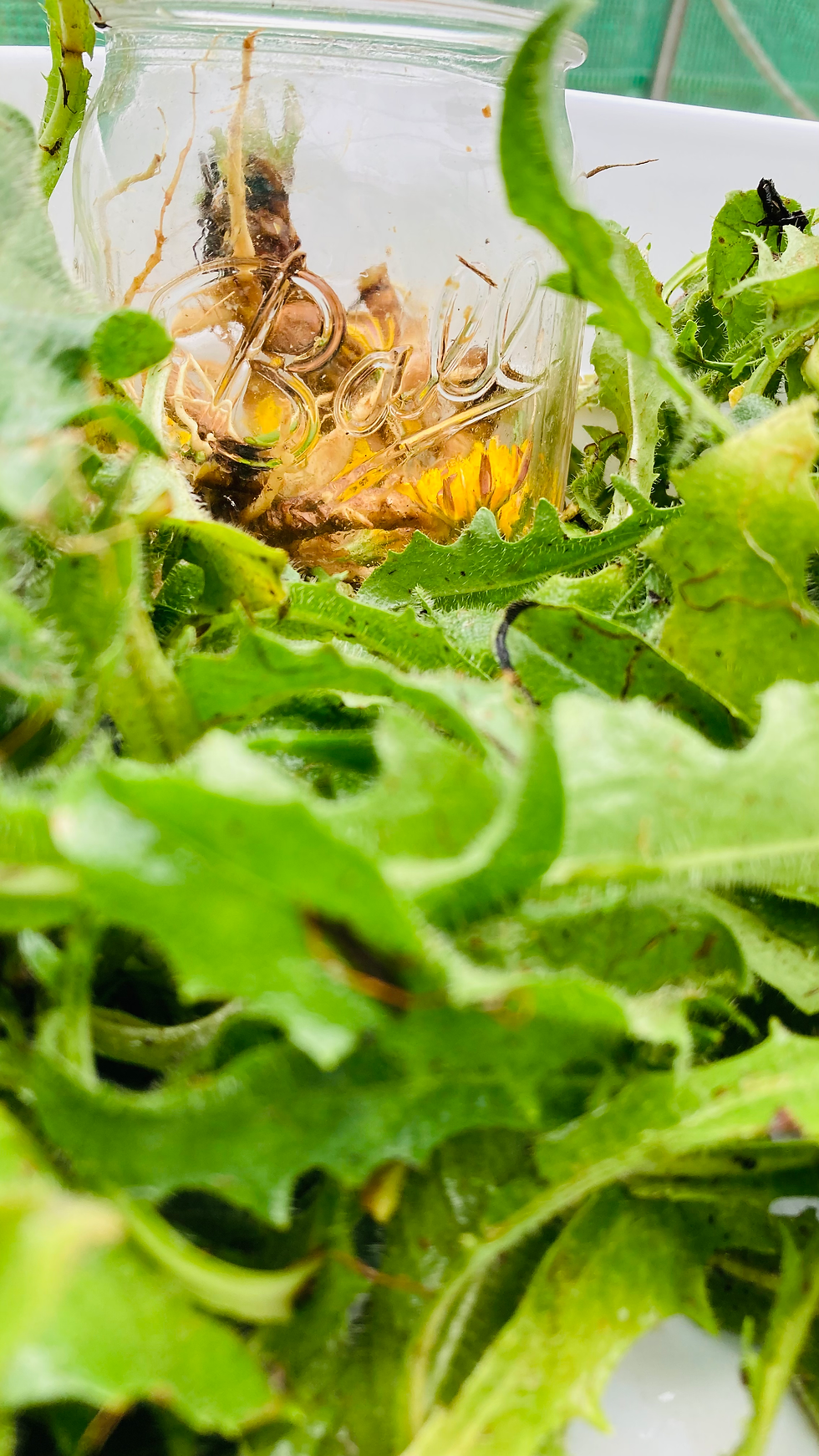
This Antioxidant herb is rich in Vitamin A, C, K, magnesium, folate, fiber, calcium, iron. Some sources even say Dandelion is also high in Vitamins B and D. (I feel like I’m typing out the whole alphabet! Haha)
Dandelion is being found by scientists to lower blood pressure and sugar; and being used by some clinical herbalists in treating liver and kidney issues, urinary tract infections, heartburn, appendicitis, and more.
From the root to the flower this entire plant holds benefits in every fiber of its being. Roots can be roasted for a tea or coffee substitute, young leaves go great in Spring Salads or as cooked greens, the flowers can be made into jelly, wine, oils and syrups.
Folk remedy uses for Dandelion can be dated back as early as the 10th Century for treating indigestion, joint pain and muscle aches, kidney stones, infections, and used in salves for skin irritations like eczema and common bruising.
Purple Dead Nettle “Archangel”
🛍 Lotion Bars
🫖 Tea Blend
Scientific Name: Lamium purpureum
Common Name: Purple Dead-Nettle
Folk Name: the Purple Archangel

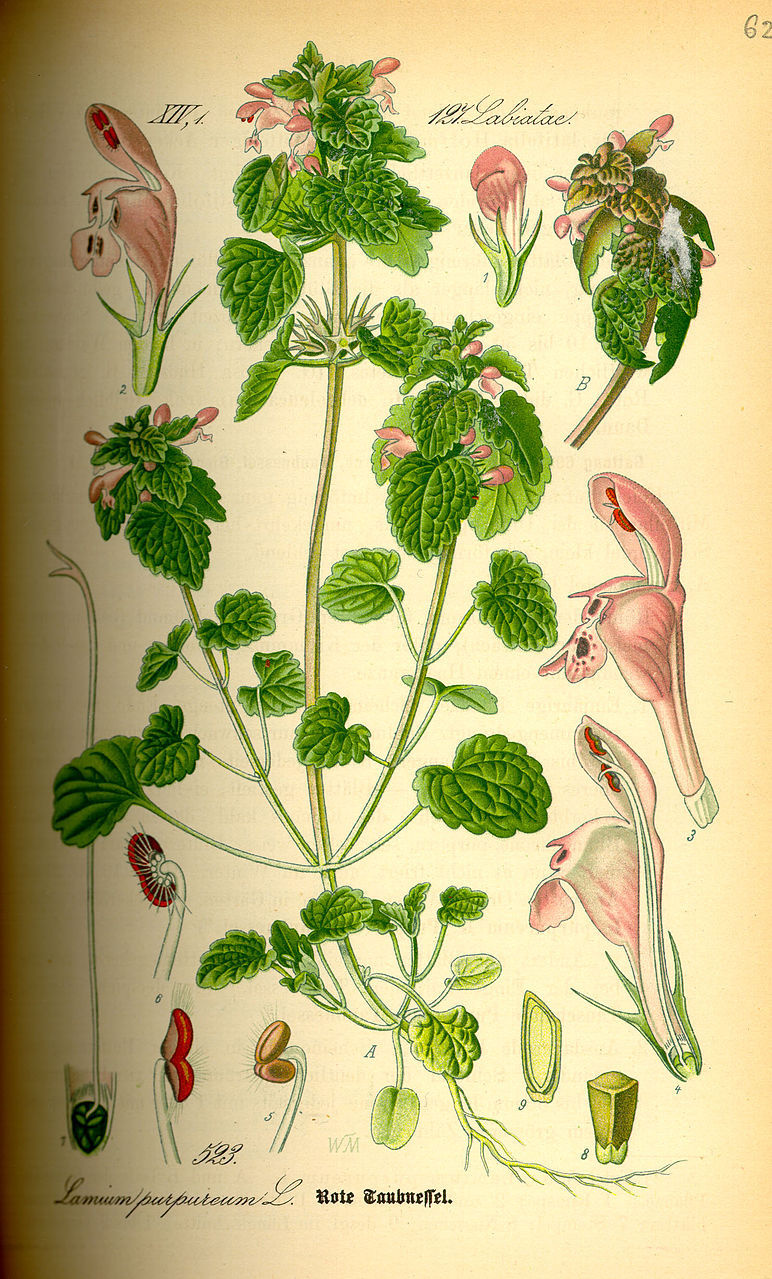
Purple Dead-nettle is a favorite among bumblebees. This European native, annual flowering herb can be found in meadows, along the sides of the road, and in many gardens. A wonderful addition to a pollinator bed this herbaceous, square steamed plant has tiny hairs on the green leaves. No need to worry though because as the name says, these beauties are “dead” and won’t sting, unlike the well known “stinging nettle”. The young plants top leaves and flowers are a great spring addition to pastas, salads, and stir fry’s.
Purple dead nettle is high in vitamins, fiber, and iron. This early spring flowering herb is also described to be anti-fungal, a diuretic, a diaphoretic, and an astringent. Folk remedies for purple dead-nettle include uses as a poultice for itchy, irritated skin as well as used in salves and in teas for seasonal allergies. (Read more on Purple Dead-Nettle)
Sweet Annie (Sweet Wormwood)
Scientific Name: Artemisa annua
Common Name: Sweet Wormwood
Folk Name: Sweet Annie
Just a moment to drop the name of another special interest of mine that is, often an over looked, member of the Daisy family whose aromatic feathery branches make for beautiful handmade wreaths or various dried arrangements. A self-seeding grassy like flower, Sweet Annie blends in beautifully among the related Daisys, the yellow Dandelions, and purple Nettles.
Mullein
🛍 dried Mullein, tea and incense blends
🧖🏻♀️ facial steam treatment
Scientific Name: Verbascum thapsus
Common Name: Mullein
Folk Name: Witch’s Candle
Native to Europe, even parts of Asia, naturalized in North America, Mullein can be found along the roadsides and in pastures or meadows. Some folk remedy books list mullein as a key component among St. John’s Wort in an oil infusion to alleviate symptoms associated with ear infections, inflammatory skin conditions, and minors scrapes and burns, all because of the mucilage content found within Mullein.
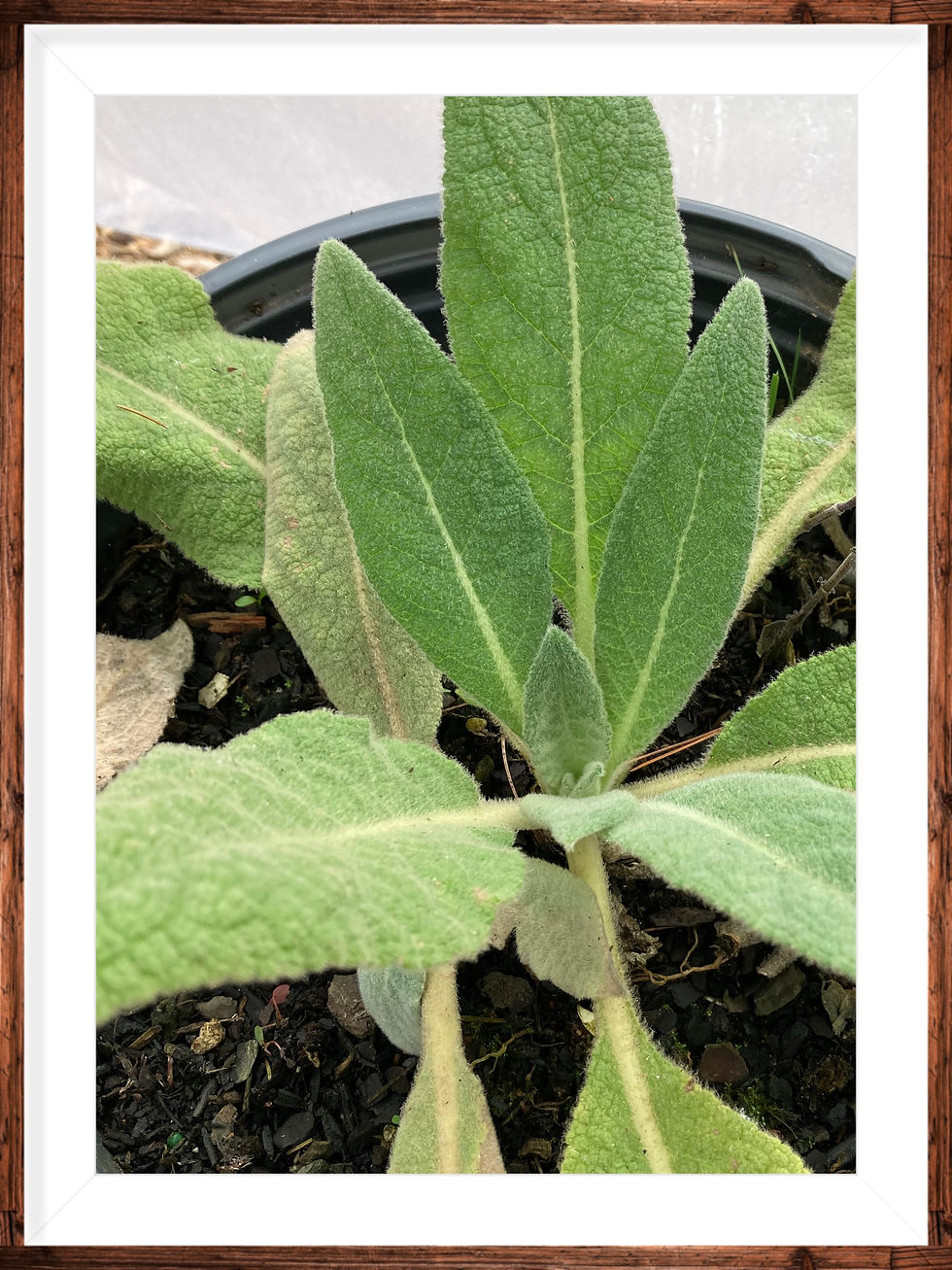
Nicknamed the Witch’s Candle, this big leafy herb with its thick steam has a reading history of being used as candle wicks in taper candles. Other folk names include Aaron’s Rod or Candlewick plant after it’s tall flowering steam, and donkey’s ears in reference to the large soft leaf similar but unrelated to the commonly known, Lamb’s Ear. This bit of study was all the encouragement needed to plan a candle making activity for the kids, perfect for a rainy or wintry afternoon.
In the United States, mullein can be found in various health and wellness stores as well as on the shelf among all the glass jars covering the walls of your favorite apothecary. Mullein can be used as dried leaves and flowers for teas or salves; extracted into essence, tonics and tinctures; infused in oils for salves, along with many other used fresh or dried.
Most uses today for mullein are related to respiratory concerns such as asthma, spasmodic coughs, bronchitis, and other inflammatory irritants. Mullein can be used in a variety of ways, and based on personal studies and experiences, when used as a facial steam works as an added measure in caring for respiratory concerns. A facial steam is by simple definition, a hot herbal tea that you place in front of you and allow the steam to kiss your face as you inhale the aromatic properties of the herbs steeping in the hot water.
No thoughts or rambles (about mullein or any other herb/oil on this blog) should be used to treat or replace medical advice on health issues, and these statements have not been evaluated by the FDA. All information posted is just what the blogs says - "My Recipes and Ramblings" (ramblings meaning thoughts) based off independent study and personal experience. Full disclosure can be read here.
“Mullein has been used traditionally as a remedy for the respiratory tract, including bronchitis. It works as an expectorant, meaning it helps expel mucus. Expectorant herbs help loosen bronchial secretions and make elimination of mucus easier.” (Source: Mullein | PeaceHealth) You can read the full report here. While science is beginning to support some folk remedies of herbs, the way it is beginning the review and support of mullein, such as in the above excerpt from an article published by Peace Health and cited above. I do give caution that one might always take it upon their own to measure aside time to practice due diligence in deciding on what herbs/ essential oils to use and which ways best to use them.

Wild Violets
🥘 Purple Sugar Syrup
The delicate purple flowers of wild violets can be hot steeped over night to be made into a simple sugar syrup with a 1:1 ratio of sugar and water. Strain the mixture into a sterile glass container and store in the refrigerator for a shelf life of 6 months.
Violet Sugar Syrup can be used to make a beautiful cream cheese icing to glaze over a tart homemade lemon pound cake.
Select Sources:
Purple Dead-Nettle (https://en.m.wikipedia.org/wiki/Lamium_purpureum)
( Image Source: https://en.m.wikipedia.org/wiki/Lamium_purpureum)
Folk name for mullein (Mullein | Encyclopedia.com)


Comments